Things to Do in New Orleans: Top Must-Dos, Day Trips & Best Time to Visit
On This Page:
10. The Best Things To Do in New Orleans
A favorite vacation destination for Americans and international visitors, New Orleans offers an electric combination of history, culture, 24-hour nightlife, and delectable cuisine. Best known for the boundless energy of the late-winter Mardi Gras celebration, the city is a unique blend of African, French, and American settlers that has evolved during its history into a one-of-a-kind experience you won’t soon forget.
There’s more than enough to see and do in “The Big Easy”, a New Orleans nickname that compares its easy going, slower paced lifestyle versus New York City, “The Big Apple”. Also commonly called “NOLA” (New Orleans plus LA, the designator for Louisiana), the city is well-known for having somewhat looser morals than the rest of the South, and other more conservative parts of the country.
Whether you are considering a long-weekend getaway or plan to stay for a few more days, you won’t run out of fun and exciting things to do here. Let’s take a deeper diver into some of the highlights of what your New Orleans vacation, where the Mississippi River and Gulf of Mexico come together, may entail.
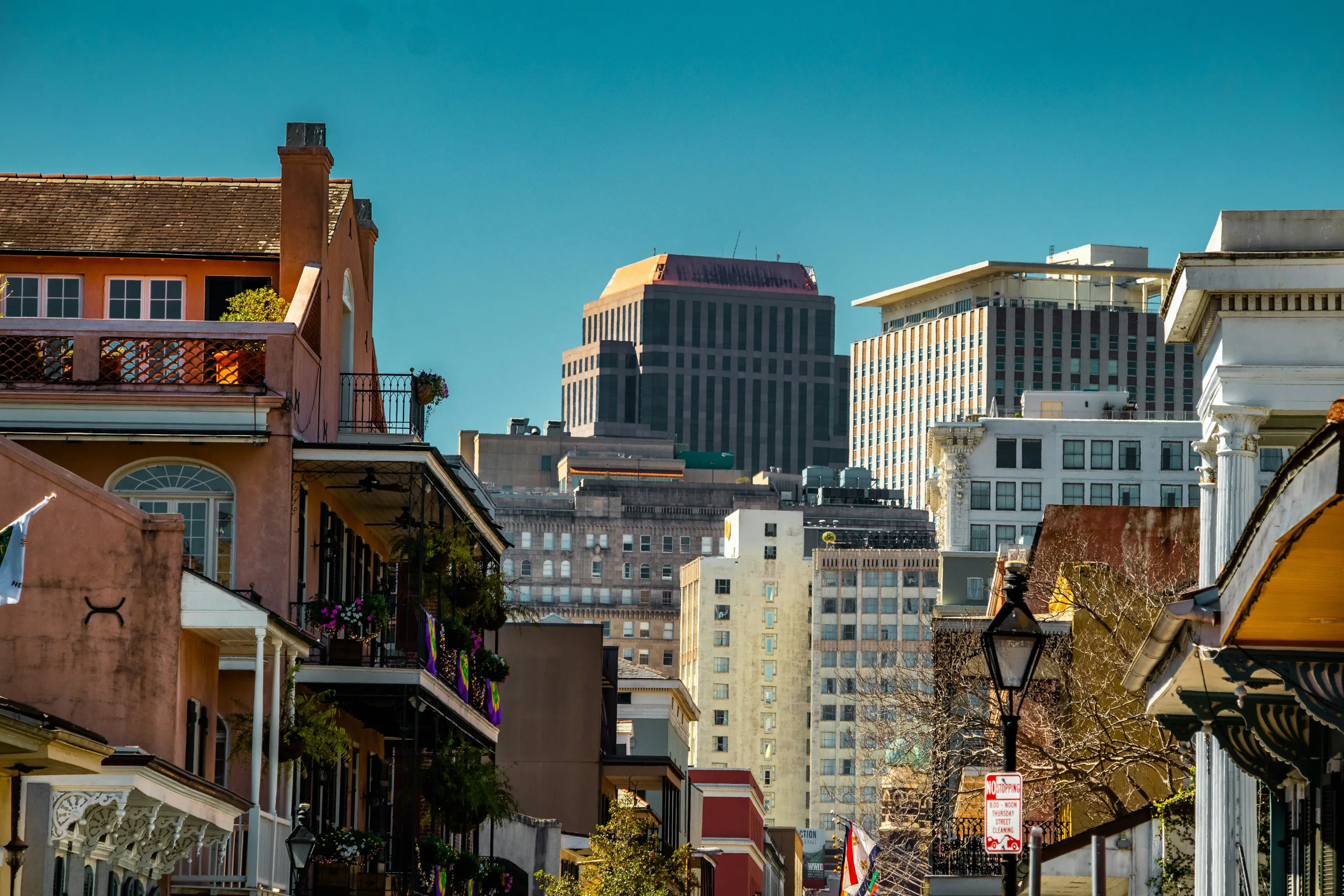
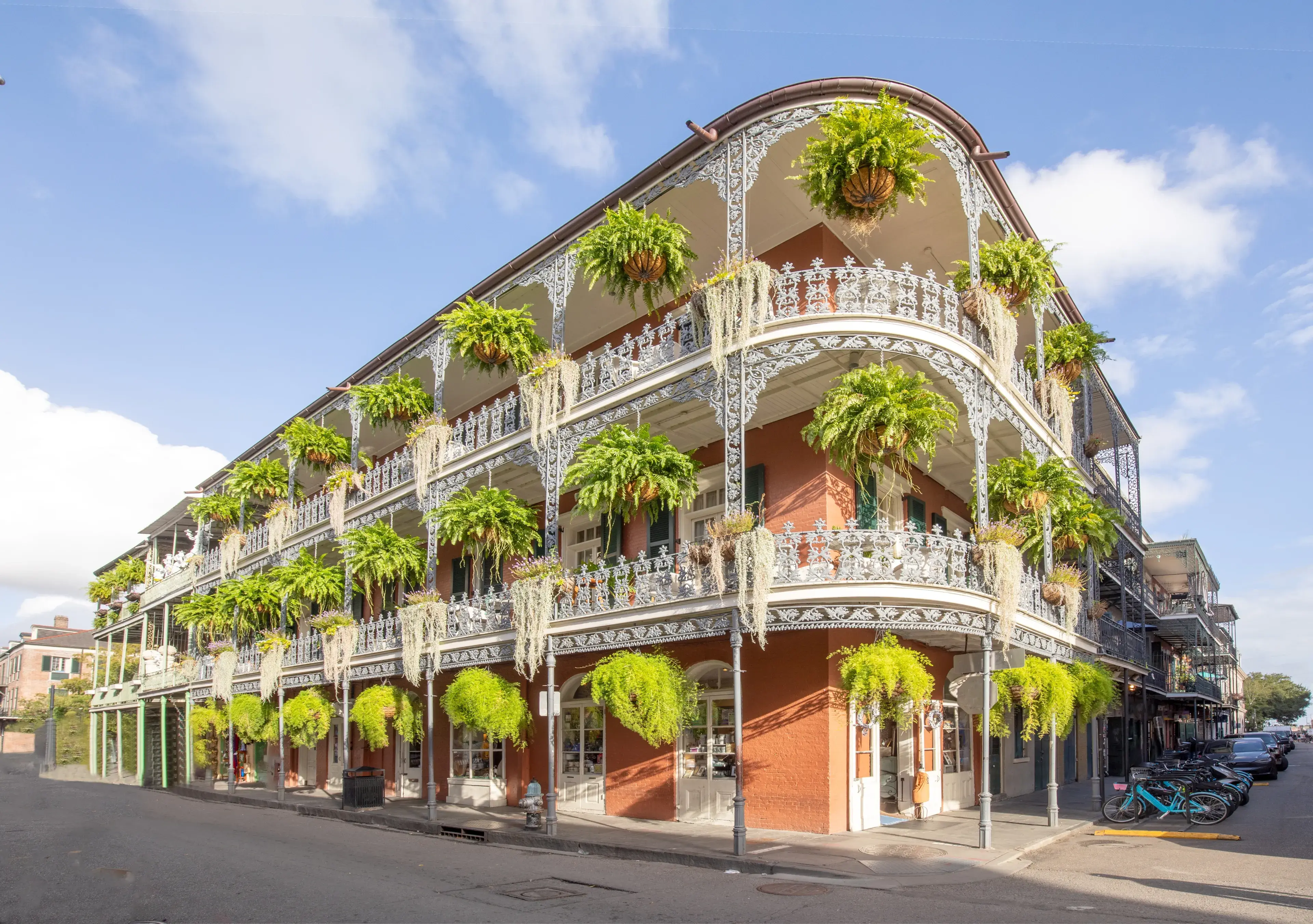
- The French Quarter – This bustling district lies just over a mile from downtown. It is a neighborhood unto itself despite the close proximity of the two areas. Known for fabulous architecture, a vibrant live-music scene, and a vast array of bustling bars along with craveable Cajun restaurants, the French Quarter perfectly embodies the spirit of this amazing city. World-famous Bourbon Street runs through the heart of “the Quarter”.
- Mardi Gras – If you tell people that you’re going to New Orleans, the first question that will pop up is, “Are you going for Mardi Gras?” The mid-winter festival takes place annually on Ash Wednesday, the day before the beginning of Lent. An important day in the Christian calendar, Mardi Gras takes the day and turns it into week after week of raucous parades through the French Quarter’s streets. This is the last day prior to Lenten fasting for Christians to partake in rich, heavy foods, especially red meat, before Easter.
The celebration is known as Carnival in Rio de Janeiro and on several Caribbean islands, as well as Shrove Tuesday or Pancake Tuesday in other countries. Mardi Gras in 2026 takes place on Tuesday, February 26, and means “Fat Tuesday” in French. From its origin in Medieval Europe centuries ago, the tradition was brought to the U.S. in 1703 by French soldiers who had first set foot in what is today Mobile, Alabama.
Mardi Gras in New Orleans lasts for many weeks, with countless themed parades taking place in the French Quarter and other neighborhoods beginning early in January.
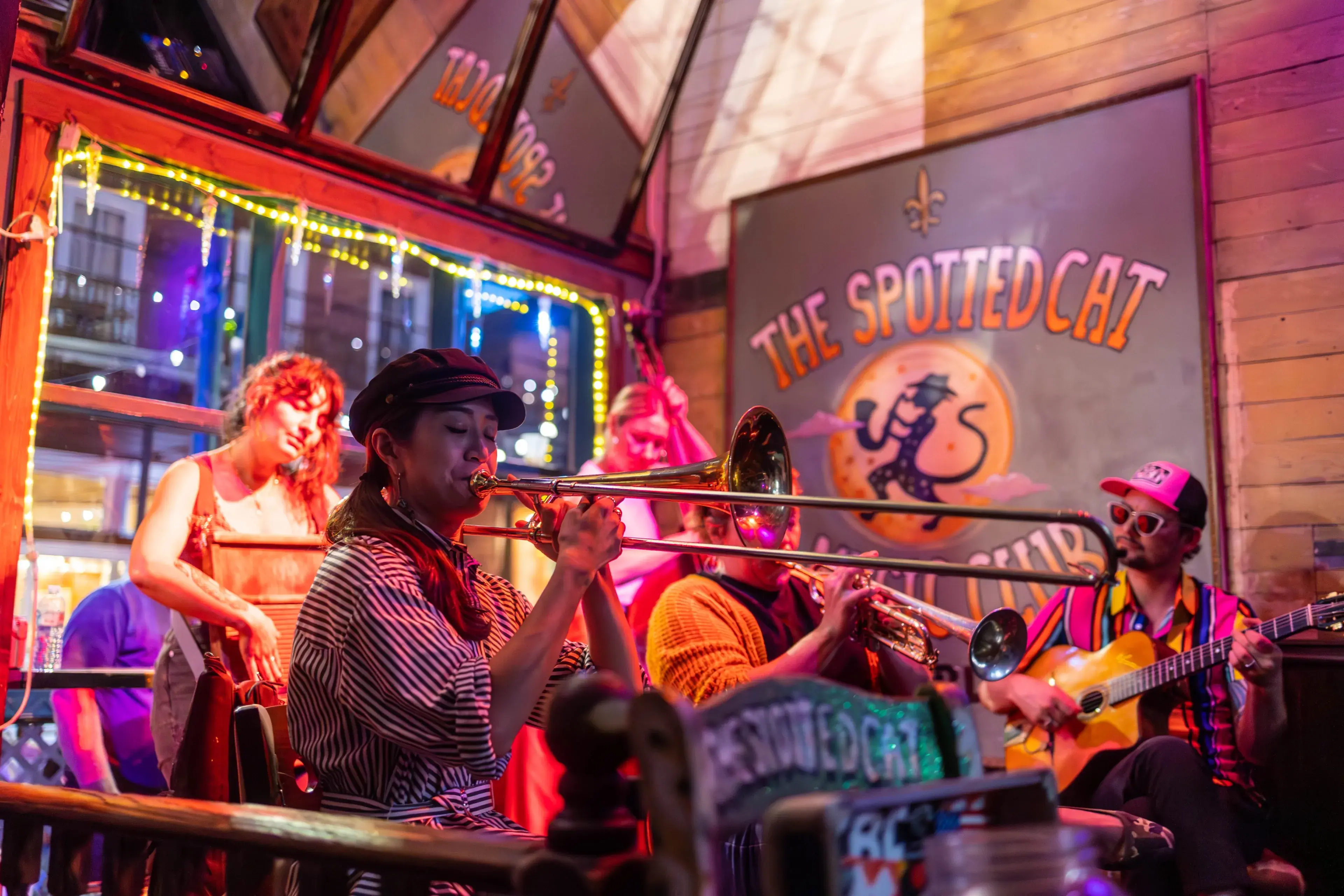
- Frenchmen Street – Considered by many locals to be the center of NOLA’s vibrant music scene, Frenchmen Street is just outside of the French Quarter in the Marigny neighborhood. Dubbed “a local’s Bourbon Street”, this is where area residents and tourists in-the-know come for a truly authentic take on Southern Jazz, blues, and reggae. Local musicians perform nightly in dozens of clubs, restaurants, and bars, so finding something to your liking is an easy undertaking. Be sure to check out some of the most popular spots including d.b.a., Snug Harbor, and the Spotted Cat.
Not to be outdone by other areas of the city, Frenchmen Street offers a delightful selection of Cajun and Creole dining options, as well as art galleries and gift shops without the touristy feel. The music kicks in around 7 p.m., and due to local noise restrictions is concentrated into a few easy to navigate blocks.
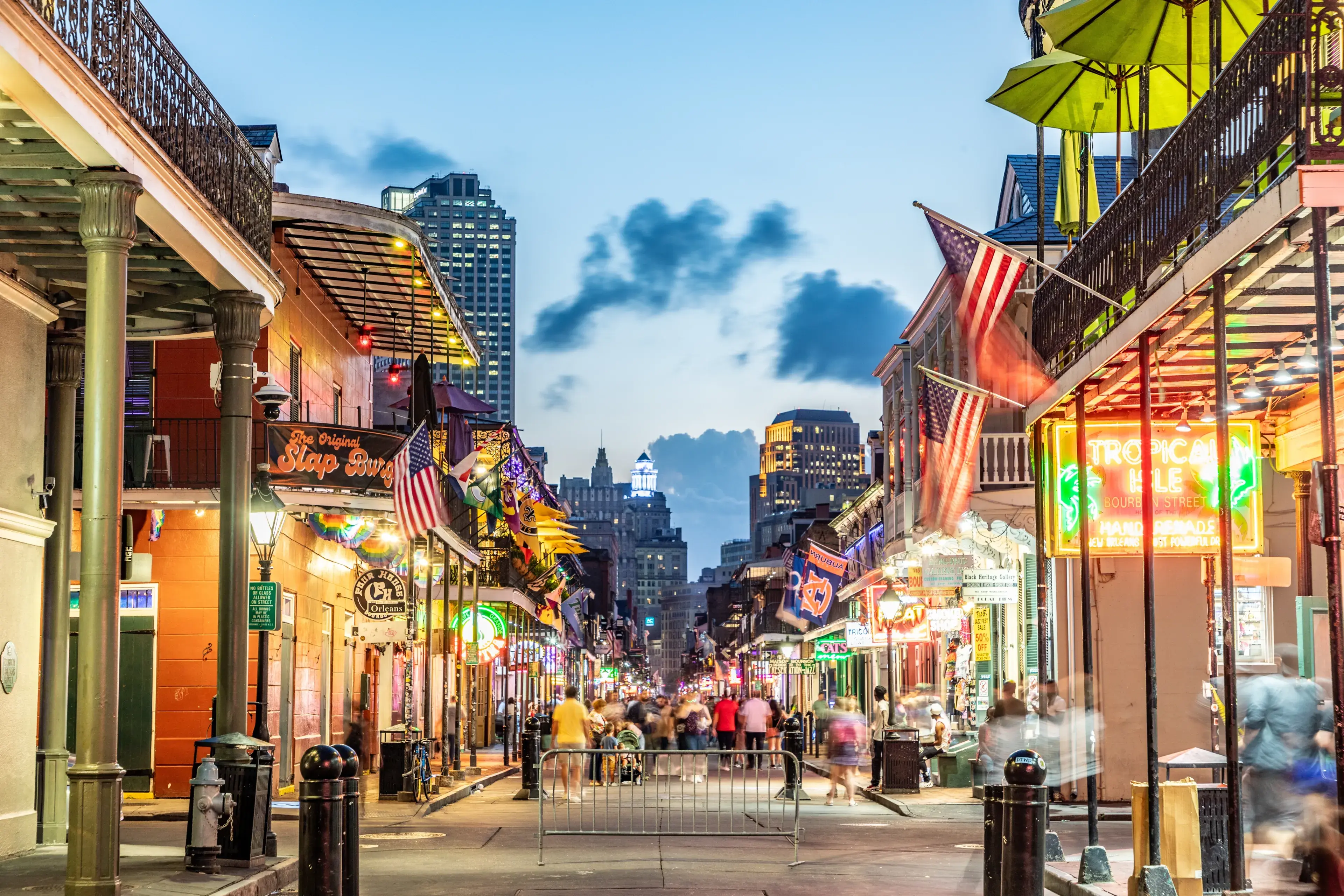
Author: travelview
New Orleans; USA - October 24, 2023: Pubs and bars with neon lights in the French Quarter, downtown New Orleansc
10. Daytime Activities Abound in and Around New Orleans
- National World War II Museum – This fascinating complex in the Central Business District (CBD) has been designated by Congress as the official U.S. World War II museum. The facility includes six pavilions which house immersive exhibits, fascinating multimedia presentations, and an enormous collection of artifacts from the war. There are also intriguing first-person oral histories to bring each visitor closer to understanding the sacrifices made by what is now known as “The Greatest Generation.
- Jackson Square – Located in the heart of the French Quarter, this historic town square was first named “Place d’Armes” when it was established in the 19th century. Important national parades and celebratory ceremonies took place here dating back to the War of 1812 and Andrew Jackson. It was renamed in his honor and is now a National Landmark. Visitors will find three bronze statues of Jackson, who became famous as a U.S. Army General and the seventh President of the United States.
- St. Louis Cathedral – Impossible to miss at Jackson Square, this is the oldest Roman Catholic Cathedral in the U.S., in operation since 1794. The church is open to visit daily with a few exceptions. The art, architecture, and stained glass windows are worth taking a look at.
- Canal Street – Originally planned to be the site of a water-filled canal linking the Gulf of Mexico and Lake Pontchartrain, today’s Canal Street is the major roadway separating the Central Business District and the French Quarter. You’ll find the New Orleans Jazz Museum here along with a Harrah’s Casino, and indoor shopping, perfect during hot, humid, or wet days at Canal Place.
- Take a Ride on a Vintage New Orleans Streetcar -The Regional Transit Authority (RTA) is a fantastic way to get around town without have to rent a car or remove yours from a parking ramp. Consider purchasing Le Pass, which provides seamless use of buses, ferries, and streetcars operated by the RTA, and it comes with a discount, too! There are four streetcar lines with each originating in downtown NOLA. This is a terrific way to see the sights in comfort and explore other neighborhoods nearby. All that’s needed is a simple download of the RTA app to your smartphone.
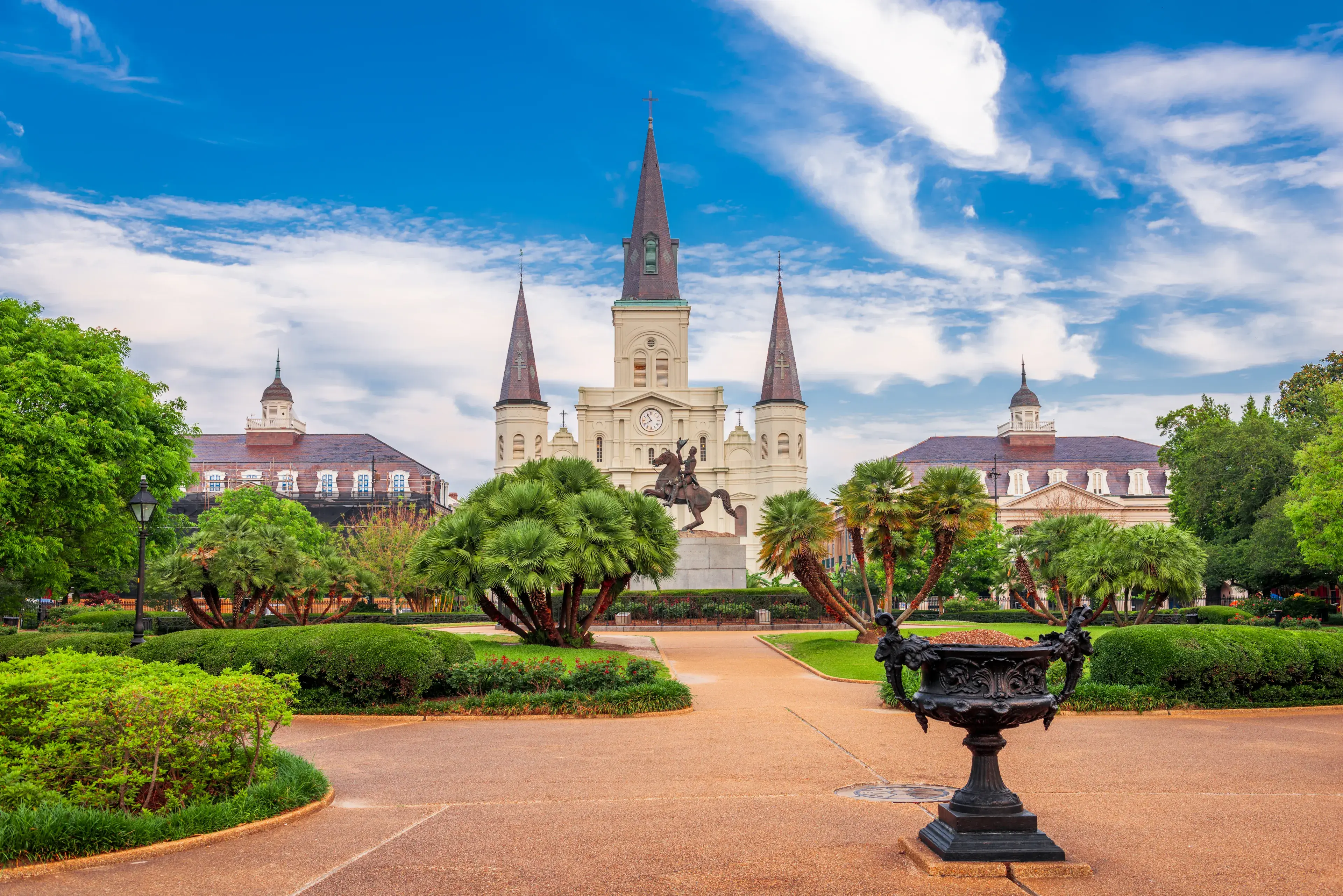
Author: Sean Pavone
New Orleans, Louisiana, USA at Jackson Square and St. Louis Cathedral in the morning
10. Other NOLA Neighborhoods Worth Visiting
Sitting adjacent to each other are the trendy neighborhoods of Marigny and Bywater. The creative scene rules here, with art galleries highlighting area artisans, a collection of local restaurants where some people go to be seen, and other diners who simply want to savor creative food in a casual, relaxing spot. The St. Claude Arts District nearby is another wonderful area to explore at your leisure. Be sure to check out the Marigny Opera House, Washington Square Park, and the bright and colorful Creole cottages.
Uptown and the Garden District are beautiful neighborhoods that you can reach via the St. Charles Avenue streetcar. Included in the Garden District are equally enticing areas such as The Irish Channel and The Riverbend. The homes are grand and beautifully maintained, and when the magnolia trees are blooming it isn’t hard to imagine times gone by when life was slower and everyone knew everyone. Grandiose mansions, immaculate lawns, and majestic old trees make this a uniquely exceptional area of town.
If time permits, the beautifully landscaped Audubon Nature Institute is also located in Uptown New Orleans. The 58-acre park features magnificent natural habitat exhibits with more 1,700 animals living here. If you’re a zoo enthusiast, this is a must-visit NOLA experience, with an incredible aquarium and insectarium also on-site.
Author: ezellhphotography
New Orleans USA April 21st 2023: live band playing music a local bar in NOLA during the spring at night. the high energy or the crowd spread across the scene while fun is had through the night
10. Visit a Cemetery While in New Orleans
Excuse me. Say what? You’re suggesting that we visit a cemetery as part of our well-deserved vacation to New Orleans?
That is exactly correct. In fact, St. Louis Cemetery is one of the most popular attractions for tourists here and requires a guided tour to gain admission. The number of daily visitors is limited, so be sure to arrange your tour in advance. Other famous cemeteries in “The City of the Dead” that may be visited without a required tour are Lafayette Cemetery #1, which is surprisingly non-segregated and has been utilized for various movies. Known for its large and unusual collection of votive candles, St. Roch Cemetery is the preferred choice for many tourists
Cemeteries in New Orleans have above-ground tombs due to the sinking of the city over the years. Officially just 6.5 feet above sea level, increasing parts of New Orleans are actually considered to be below sea level. Retaining walls built over the years have kept it dry, but the future impact of rising seas due to climate change is anyone’s guess.
Because burying the deceased below ground level wasn’t possible when New Orleans was established as a French settlement, it was determined that building large marble chambers above ground would be the best way to entomb the dead. Having the city’s cemeteries become a major historic attraction certainly wasn’t envisioned by the earlier settlers, but now these chambers are considered both beautiful and a must-visit experience when in New Orleans.
10. The Best Times of Year to Visit New Orleans
Being located on the Gulf Coast in the Deep South, New Orleans has a unique climate that you should be aware of before making plans to visit.
- The best months early in the year to visit weatherwise are February through May (Mardi Gras is January to March, and Jazzfest is late April to early May). Temperatures are cool to comfortable during the winter and spring, but if you prefer to avoid crowds and the revelry of major events, October and November are also very temperate. Not only will temperatures be comfortable, but there is usually less rain in the fall than at other times of year. Unless, of course, a hurricane decides to make an appearance in the Gulf of Mexico.
Hurricane season is officially June 1 to November 30. While direct hits like Hurricane Katrina 20 years ago are extremely infrequent, keep an eye on the forecast before heading to NOLA. Chances are there won’t be any storms, but if in doubt, stay home.
- To avoid the extreme summer heat and humidity with frequent late in the day thunderstorms, just cross June through September off of your calendar. While the city isn’t crowded during the summer and hotel rates are generally lower, the oppressive heat is something you don’t want to experience.
Author: Kit Leong
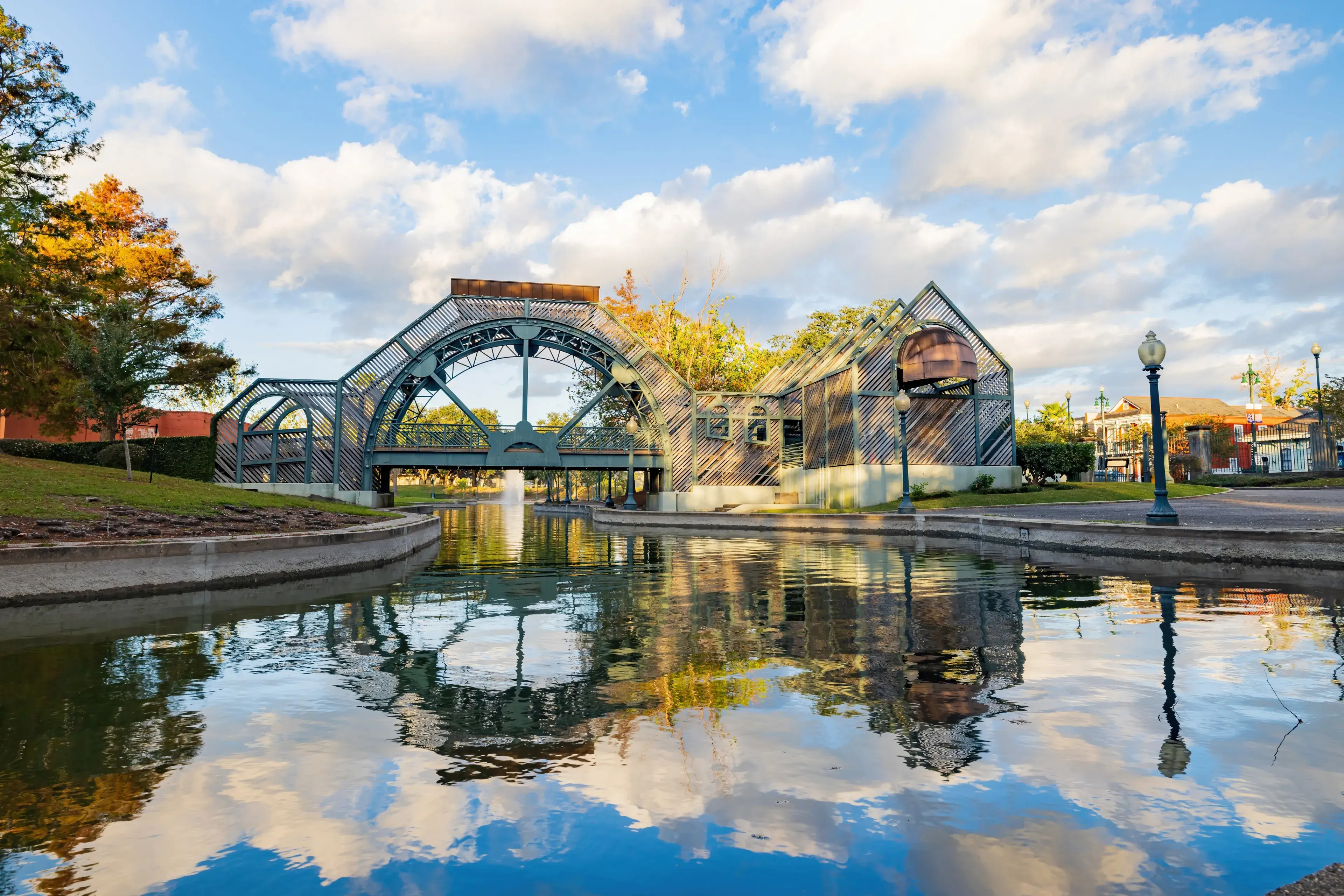
Afternoon view of the Louis Armstrong Park at New Orleans, Louisiana
10. Where Should We Stay in New Orleans and For How Many Days?
The two most popular areas to stay in New Orleans are the French Quarter, where you’ll find anywhere from quaint boutique hotels to luxurious romantic accommodations, and the Central Business District (CBD)/Downtown, home to the larger properties including chains such as Marriott, Hilton, Hyatt, and Westin. There are also numerous five-star hotels in the CBD such as the Ritz-Carlton, Four Seasons, and the lesser known but equally extravagant Maison de la Luz, and The Windsor Court.
We recommend starting your search with the Travelated.com website, where you are sure to find the lowest prices and widest selection of properties and New Orleans. You will find hotels, large and small, with prices to fit any budget.
As for how long you may want to stay, we recommend a minimum of two to three days to get a good feel for the city and all it has to offer, three to five days to allow ample time to take in most of the main attractions of interest to tourists, and up to a week for a truly thorough visit. A longer visit will allow time to tour a local plantation, the nearby bayou, and for foodies to feast in several New Orleans restaurants of distinction.
Whenever you visit this remarkable city, you are guaranteed no shortage of things to do during the day, great dining, and as much music and entertainment as you desire.
Author: William A. Morgan
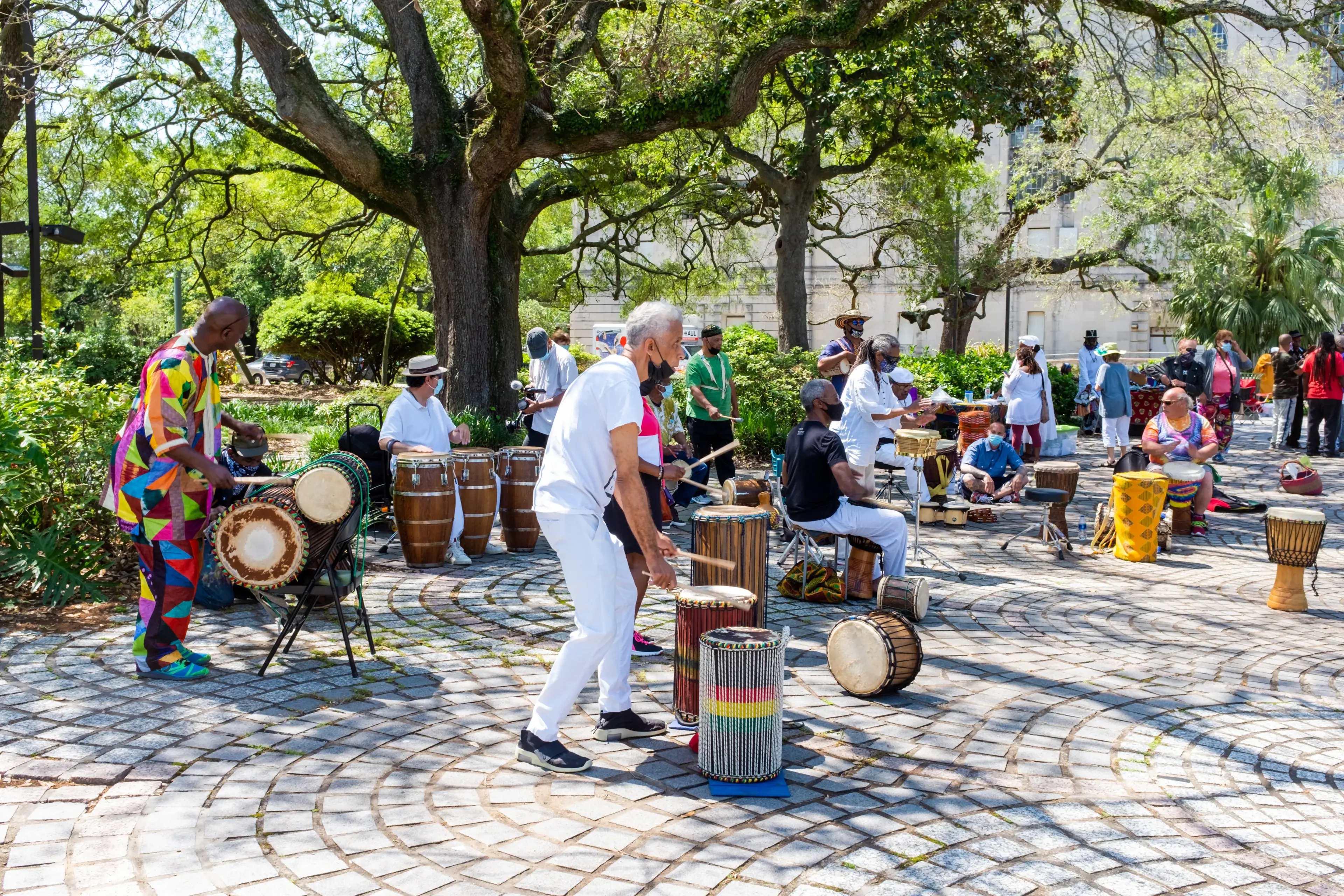
NEW ORLEANS, LA, USA - APRIL 11, 2021: Percussionists, with Luther Gray in foreground, perform in Congo Square to celebrate the life of Alfred "Uganda" Roberts